The 80/20 Rule of Skin Health
The 80/20 Rule of Skin Health: What I Actually Learned About Clinic vs. Home Care
If you’re a woman in your 30s, 40s, or beyond, you’ve probably noticed something exhausting lately: the sheer noise of the beauty industry.
There is a new aesthetic clinic on every corner. Every week, there’s a new viral TikTok skincare trend promising to erase a decade of aging overnight. And yet, despite spending hundreds (or thousands) on expensive serums and treatments, many of us still look in the mirror and feel like our skin is losing its bounce.
I’ll be honest: I am not a dermatologist. But I am someone who obsessively researches health, wellness, and how our bodies actually work. I get genuinely frustrated when I see people wasting time and money on things that don’t make biological sense.
So, I went down a massive rabbit hole. I dug into clinical dermatology journals and landmark studies to separate the marketing fluff from the actual science.
After weeks of reading, I found a clear, undeniable pattern. It’s called The 80/20 Rule of Skin Health.
Here is the short version:
- The 80% (At Home): This is about protection and foundation. It’s the daily, unglamorous work that prevents environmental damage.
- The 20% (In-Clinic): This is about correction and depth. It’s using targeted, medical-grade treatments to wake up your skin’s deep-layer factories.
The biggest mistake I see people make is trying to use a 20% clinic solution to fix an 80% at-home problem (like getting a laser but still skipping sunscreen). Or worse, expecting a $200 cream to do the structural heavy lifting that only a clinic can do.
Here is what the actual science says about how to split your focus.
The 80%: Stopping the "Collagen Leaks" at Home
During my research, the biggest “lightbulb moment” I had was realizing a harsh truth: you cannot fill a bucket that has a hole in it.
Home skincare works primarily at the epidermal level (the surface). It supports your skin barrier and slows down the accumulation of daily damage.
Based on heavy clinical evidence for skin health & protection, three habits form the ultimate 80% foundation:
1. Sunscreen: The Single Highest-Return Habit
We all know the sun causes dark spots. But the data on how it ages you is staggering. UV exposure accounts for 80–90% of visible facial aging.
I found a landmark randomized controlled trial involving 903 adults over 4.5 years. The result? Daily sunscreen users showed 24% less skin aging than those who only used it occasionally. Let that sink in. No fancy serum or expensive cream has ever produced evidence at this scale. Broad-spectrum SPF 30+ isn’t just for the beach; it’s your daily, non-negotiable anti-aging armor.
2. Retinoids: The Proven Engine for Cell Turnover
If sunscreen is the shield, retinoids (Vitamin A derivatives) are the engine. A 2024 pooled analysis of clinical studies showed that consistent retinol use produced statistically significant improvements in fine wrinkles from week four onwards, with results compounding through week 12.
They work by speeding up cell turnover and stimulating procollagen synthesis. The trick? Start slow. Apply it every second night for the first few weeks to avoid irritation.
3. Barrier Support: The Ultimate Cushion
A functioning skin barrier stops water from escaping and limits inflammation. Moisturizers packed with ceramides and lipids don’t reverse deep wrinkles, but they create the perfect, resilient environment for your retinoids to work without irritating your skin. This is especially crucial if you spend all day in air-conditioned offices, which severely dry out the skin.
The 20%: Waking Up the "Factories" In-Clinic
Here is where the 80/20 rule shifts. You cannot build deep collagen from a jar.
Your collagen and elastin fibers live deep in the dermis—about 3 to 4 millimeters below the surface. Skincare creams only penetrate the top 1 millimeter.
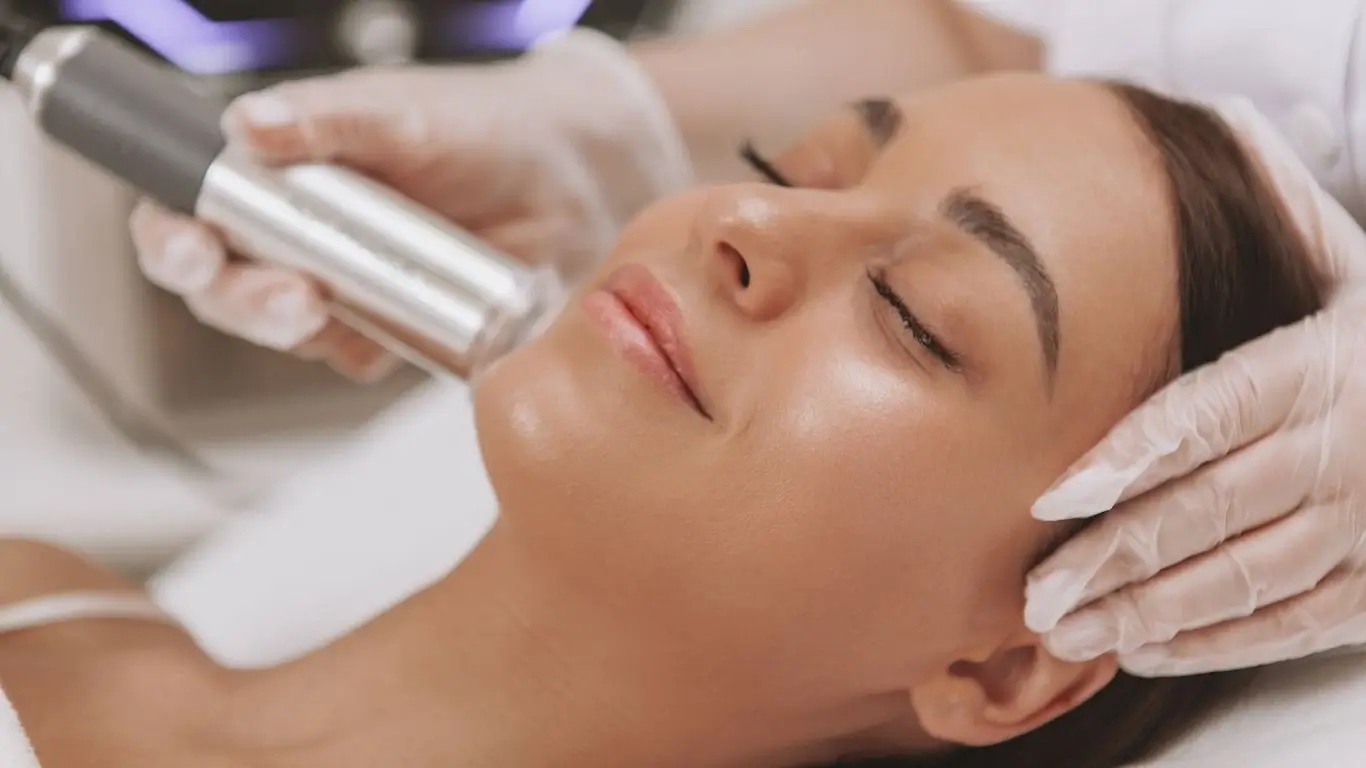
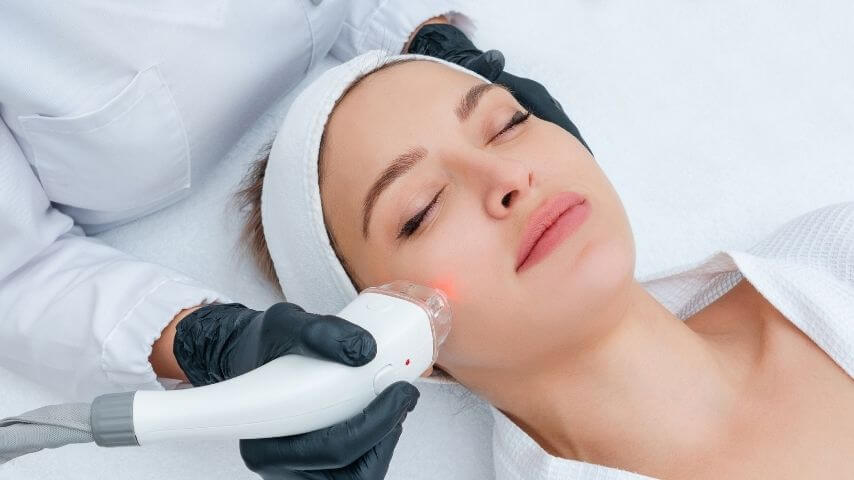
When my research looked at moderate-to-severe skin laxity, deep volume loss, or structural sagging, the clinical consensus was clear: home care alone cannot correct this. You need treatments that bypass the surface and deliver energy or bioactives directly into the dermis to trigger neocollagenesis (the creation of new collagen).
The Researcher's Discovery: Finding a Clinic That Actually Gets It
As I was digging into this, I realized a major problem: many aesthetic clinics are still heavily focused on selling quick fixes or temporary fillers that just “take up space.” I wanted to find a clinic whose actual medical philosophy matched this deep-dermal science I was reading about.
That’s when I kept coming across Dr Plus Aesthetic Clinic. What genuinely caught my attention wasn’t their marketing, but their medical foundation. Their Medical Director, Dr. Kenneth Lee, is widely recognized as a “collagen expert” in the industry. Their entire clinic philosophy is built around supporting the skin’s natural ability to repair and rejuvenate over time, rather than chasing short-lived, artificial results.
They focus heavily on regenerative treatments designed to take patients on a long-term “collagen journey.” It was honestly so refreshing to find a doctor-led clinic that preaches exactly what the science says: focus on regenerating your own skin’s deep foundation, don’t just mask the surface.
The Reality Check: Home vs. Clinic
To make this easy to digest (especially if you are reading this on your phone), here is how the clinical evidence actually splits the two approaches:
|
Factor |
Home Care (The 80%) |
Clinic Treatment (The 20%) |
|
Depth |
Epidermis (Surface level) |
Dermis (Deep structural level) |
|
Main Goal |
Protection & Maintenance |
Correction & Remodeling |
|
Timeline |
Compounds over months/years |
Targeted results in 3-6 months |
|
Best For |
Preventing daily UV/damage |
Fixing laxity, volume loss, deep texture |
The Bottom Line: It’s a Diagnostic Tool, Not a Strict Rule
If there is one major takeaway from my deep dive into skin health, it’s this: the 80/20 rule isn’t a rigid law. It’s a diagnostic tool.
If you are in your late 20s with great skin, a solid home routine might account for 90% of your results. But if you are in your 40s dealing with established collagen loss and laxity, the equation shifts. Home care maintains what you have, but clinic treatments become necessary to rebuild what time has taken.
Think of it like a house. Getting your SPF and retinoids right is like fixing a leaking roof and maintaining the foundation. Going to a regenerative clinic is like doing a high-quality structural renovation. You wouldn’t renovate a house with a leaking roof, right?
Get the 80% fundamentals locked in. And when you are ready for the 20% structural lift, make sure you sit down with a practitioner who understands the biology of your skin, not just the sales targets of the month.
I’d love to hear from you: What’s the biggest skincare myth or frustration you’ve encountered in your 30s or 40s? Drop a comment below, and I might just research it for my next post!